Why Forcing a Stuck Key Can Damage Your Lock
A common mistake that costs more than you think
Everyone has done it at some point. You slide your key into the lock, and it does not turn smoothly. Maybe it sticks halfway, or it feels like something is blocking the mechanism. The natural reaction is to push harder, wiggle the key, or apply a bit more torque. But that instinct, however understandable, is one of the quickest ways to turn a minor inconvenience into a costly repair. Understanding what happens inside the lock when you force a stuck key explains why patience and the right approach matter more than brute strength.
What happens inside the lock when a key sticks
A standard pin tumbler lock works with a set of spring-loaded pins that align along a shear line when the correct key is inserted. The key blade has a series of cuts and depths that match the pin lengths inside the cylinder. When the key is fully inserted and turned, the pins lift to the correct height, allowing the cylinder to rotate and retract the bolt.
When a key gets stuck, one or more pins are not lifting properly. This can happen for several reasons: dirt or debris inside the key cylinder, a slightly worn or bent key blade, a misaligned key code, or even a small burr on the key's edge. The pins are under spring tension, so if the key does not seat perfectly, the pins resist movement. Forcing the key applies extra rotational force that the lock was not designed for. That force can bend the pins, break a spring, or crack the cylinder housing. Once a pin bends or a spring snaps, the lock may no longer accept any key properly, and the only fix is disassembly and replacement of the damaged parts.
How forcing a key leads to bigger problems
The damage from forcing a stuck key is not always immediate. Sometimes you manage to turn the key and open the door, so you assume the lock is fine. But the internal components may have been stressed. Over the next few uses, the lock becomes increasingly harder to operate. Eventually, the key might break off inside the cylinder, leaving you with a broken key extraction problem. At that point, you need a professional to remove the broken piece and repair or replace the lock.
Another common outcome is that the key cylinder becomes deformed. The metal edges inside the cylinder are precisely machined to match the key code. Excessive force can scrape or gouge these surfaces, creating rough spots that catch on the key. This leads to a cycle where the key sticks more often, you force it more, and the damage accelerates. What started as a simple cleaning or adjustment turns into a full lock replacement.
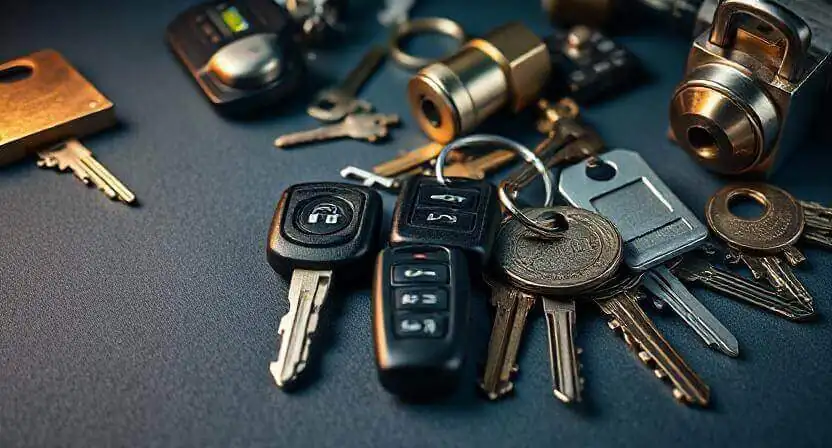
There is also the risk of damaging the key itself. Keys are usually made of brass or nickel-silver alloys. These metals are soft enough to be cut easily, but that also means they can bend or snap under high torque. A twisted key blade might still work, but it will never align with the pins the same way. You end up needing a new key, and possibly a new lock if the old key damaged the cylinder during the twisting.
What to do instead of forcing the key
When a key does not turn smoothly, stop and assess the situation. Gentle jiggling while applying light pressure can sometimes free a pin that is slightly off. If that does not work, try pulling the key out slightly and reinserting it slowly, making sure it is fully seated. Many sticking problems are caused by the key not being inserted all the way, especially with locks that have deep keyways or dust covers.
Lubricating the lock can also help. Use a dry graphite powder or a dedicated lock lubricant, not oil or grease, which attracts dirt and gums up the pins over time. A small puff of graphite into the key cylinder can reduce friction and allow the pins to move freely. If the lock is still sticking after lubrication, the problem may be internal wear or a misaligned component. In that case, it is wise to call a locksmith before the lock fails completely.
Another option is to check the key itself. A key that has been duplicated poorly or is worn from years of use may have a slightly incorrect key code. A key duplication service can cut a fresh copy from the original code, using a precision cutting machine that matches the exact depths and spacing. This often solves sticking issues that are really caused by a worn or poorly cut key, not by a bad lock.
When to call a professional
If gentle attempts do not free the key, and the lock is not responding, do not escalate the force. A professional locksmith has the tools and experience to handle stuck keys without damaging the lock. They can use a key extraction tool to remove a broken key, or they can disassemble the cylinder to clear debris and realign pins. In some cases, they can rekey the cylinder, which involves changing the pin configuration so that a new key code works, without replacing the entire lock.
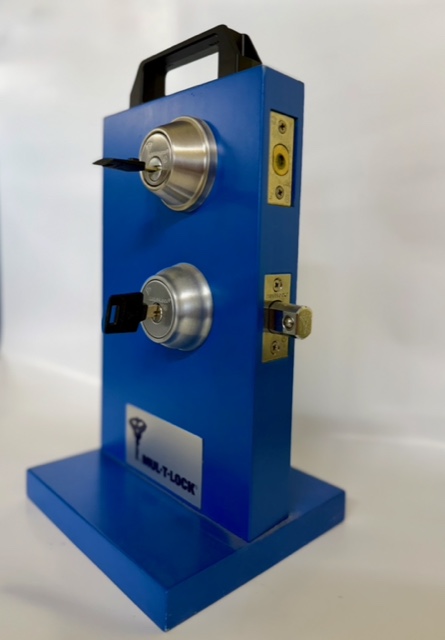
Okey Locksmith is also on Facebook.
For modern vehicles and high-security locks, the situation is more complex. Many cars use transponder key systems that combine a mechanical key blade with an electronic chip. Forcing a stuck key in a car lock can damage the electronic contacts or the microswitch that communicates with the vehicle's immobilizer system. A residential or commercial lock with a restricted keyway may have additional security pins that are even more sensitive to misalignment. In all these cases, a locksmith familiar with the specific lock type is the safest option.
Preventing stuck keys in the first place
Regular maintenance goes a long way. Keep lock cylinders clean and lubricated. Avoid using excessive force when turning the key; if it feels resistant, ease off and investigate. If you have multiple keys for the same lock, use the one that works best and have a spare key made from that copy. A spare key stored in a safe place can save you from having to force a stubborn lock in a hurry.
If you notice that a lock is becoming harder to operate over time, address it early. A small amount of graphite lubricant can often restore smooth operation. If the problem persists, have a locksmith inspect the lock. Catching wear before it leads to a failure is much cheaper than dealing with a broken key or a seized cylinder.
How a key duplication service fits in
Sometimes the root cause of a stuck key is the key itself, not the lock. A key that was cut from a worn original or that has a slightly off key code can cause binding. A reliable key duplication service uses a precision cutting machine to produce a key that matches the original code exactly. This can eliminate sticking that stems from an inaccurate copy. When you have a key that works smoothly, you reduce the stress on both the key and the lock, extending the life of both.
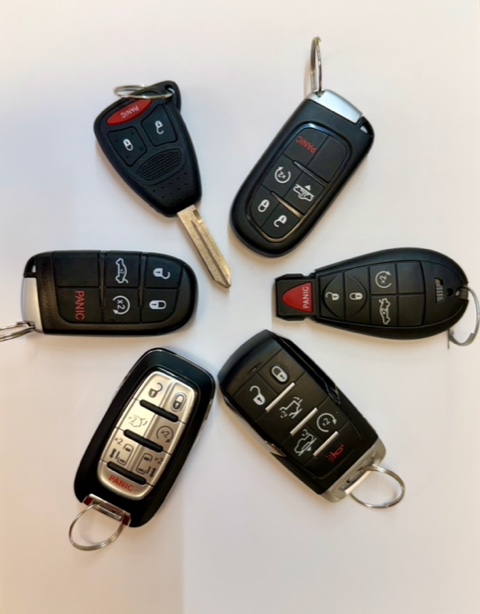
Okey Locksmith provides 24/7 mobile automotive, residential, commercial, access control, and emergency locksmith services in Oklahoma City and nearby communities. For anyone dealing with a stuck key or a lock that is not working properly, having a professional assess the situation early can prevent more serious damage. Whether the issue is a worn key, a dirty cylinder, or an internal fault, a locksmith can diagnose the problem and recommend the right fix, whether that is a new key, a rekey, or a lock replacement.
A stuck key is frustrating, but forcing it is rarely the answer. Taking a calm, methodical approach and knowing when to call for help will save you time, money, and the hassle of a broken lock. Okey Locksmith is available around the clock to assist with lock issues of all kinds, from simple key extractions to full lock replacements. Their address is 3121 SW 29th St, Oklahoma City, OK 73119, USA, and they can be reached at +1 405-703-8943.